Digital Transformation in Manufacturing

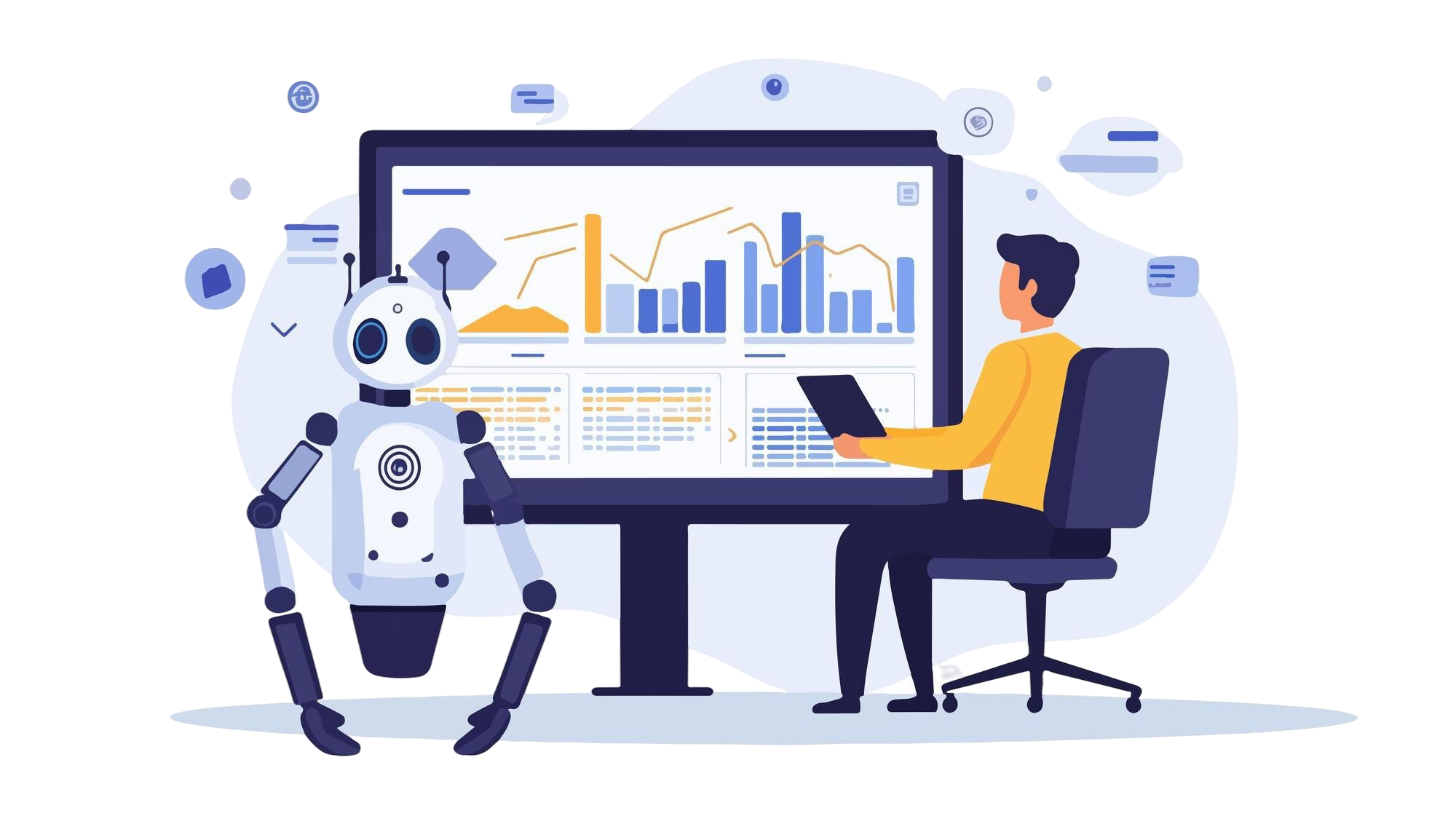
Digital transformation in manufacturing focuses on leveraging digital technologies, IoT, AI, and advanced automation to improve production efficiency, quality, flexibility, and cost competitiveness across the manufacturing value chain. It integrates IT and OT systems to create smart factories, data-driven operations, and end-to-end visibility. By connecting shop floors, supply chains, quality systems, and asset management, manufacturers can reduce downtime, optimize throughput, and scale sustainably.

Possibilities

Smart Factories

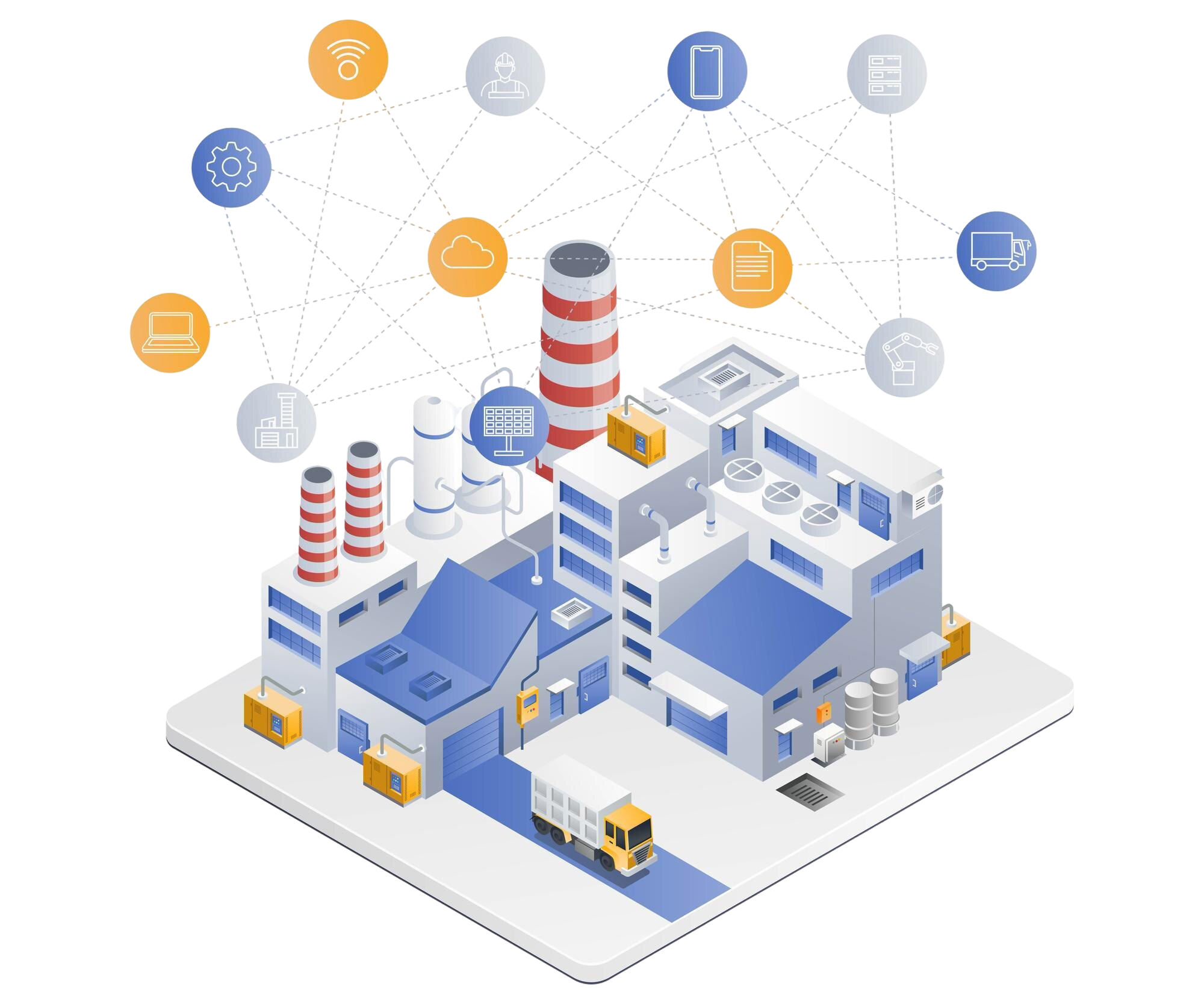
Smart Factory solutions connect machines, production systems, workers, sensors, robotics, and operational data to create a connected manufacturing environment with better visibility, automation, and control.
Smart Factories

Features

Machine Connectivity
Connect machines and production equipment to capture operational data.
IoT Sensor Management
Collect real-time information from machines, equipment, and production environments.
Production Monitoring
Monitor production activities, machine status, and operational performance.
Automation Management
Control and coordinate automated manufacturing processes and equipment.
Shop-Floor Visibility
Provide real-time visibility into production activities and equipment conditions.
OEE Monitoring
Track equipment effectiveness through availability, performance, and quality metrics.
Alert Management
Generate alerts for abnormal machine conditions and production issues.
Factory Dashboard
Provide centralized visibility into manufacturing performance and operations.

Digital Twins

Digital Twin solutions create virtual representations of machines, production lines, facilities, or processes using operational and engineering data. They allow manufacturers to monitor, simulate, and evaluate changes before implementing them in the physical environment.

Digital Twins

Features

Asset Modeling
Create digital representations of machines, equipment, and production assets.
Production Line Modeling
Replicate manufacturing lines and their operating conditions digitally.
Real-Time Data Integration
Connect physical assets with live operational data.
Process Simulation
Simulate manufacturing processes and evaluate different operating scenarios.
What-If Analysis
Test potential changes before implementing them on the shop floor.
Performance Monitoring
Compare actual asset performance with digital-model expectations.
Scenario Testing
Evaluate production, capacity, and process scenarios in a virtual environment.
Digital Model Management
Maintain and update digital representations throughout the asset lifecycle.

Predictive Maintenance at Scale

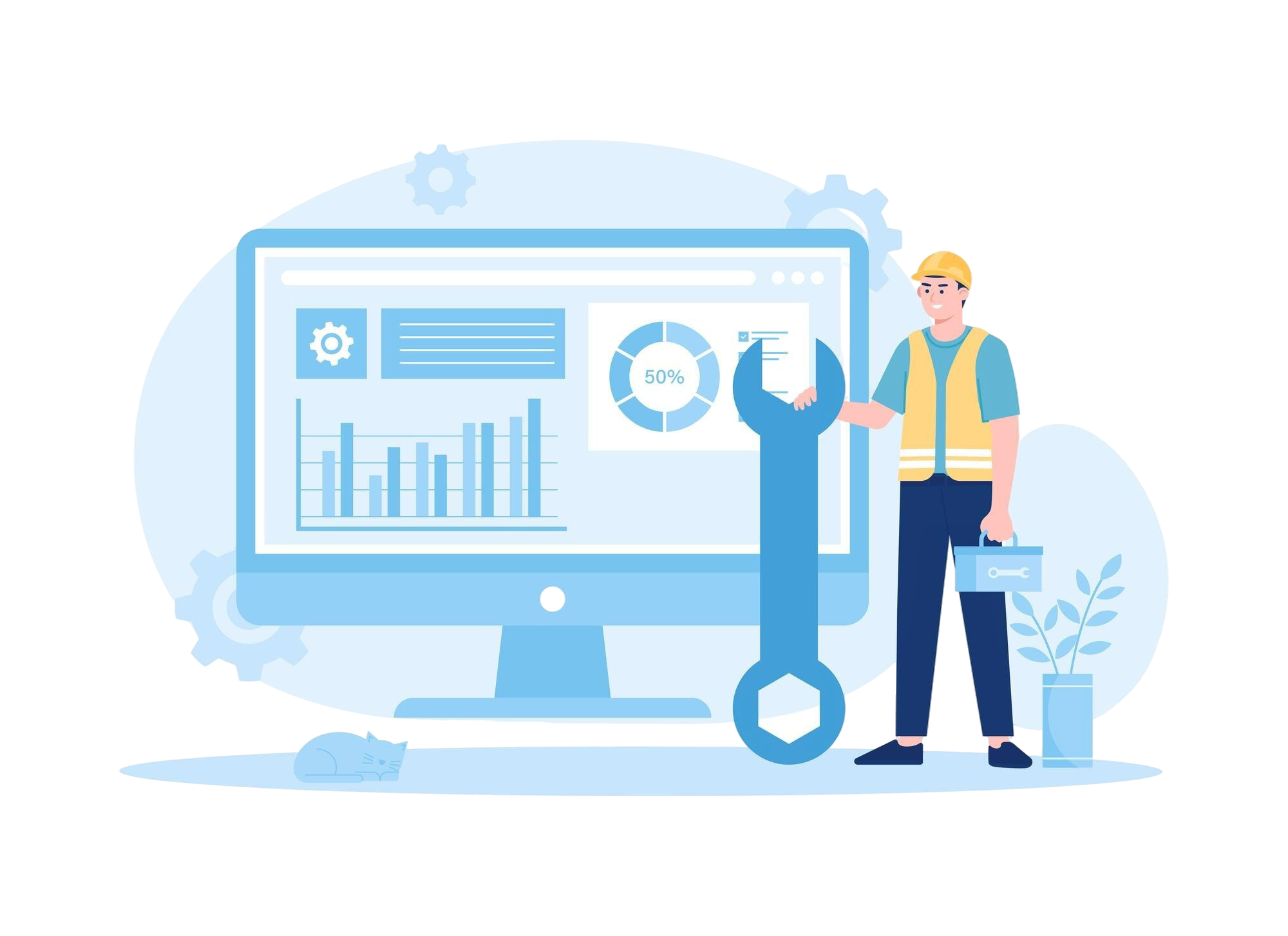
Predictive Maintenance solutions help manufacturers monitor equipment health, identify potential failures, and plan maintenance before unexpected breakdowns occur, reducing downtime and improving asset reliability.

Predictive Maintenance at Scale

Features

Equipment Health Monitoring
Track machine condition and operating health continuously.
Condition Monitoring
Monitor parameters such as vibration, temperature, pressure, and operating conditions.
Maintenance Scheduling
Plan maintenance activities based on equipment condition and operating requirements.
Failure Detection
Identify abnormal equipment conditions that may indicate potential failures.
Breakdown Management
Record and manage equipment breakdowns and repair activities.
Maintenance Work Orders
Create, assign, and track maintenance tasks.
Service History
Maintain historical maintenance, repair, and equipment-service records.
Spare Parts Management
Track spare parts required for planned and corrective maintenance.

Production Planning & Scheduling

Production Planning & Scheduling solutions coordinate customer orders, production capacity, materials, machines, labor, and delivery requirements to create efficient and achievable manufacturing schedules.

Production Planning & Scheduling

Features

Production Planning
Define production requirements based on demand, capacity, inventory, and delivery commitments.
Production Scheduling
Schedule manufacturing activities, machines, lines, and work orders.
Capacity Planning
Compare required production capacity with available machine and workforce capacity.
Material Planning
Ensure required raw materials and components are available for production.
Work Order Management
Create, release, assign, and track production work orders.
Priority Management
Prioritize production orders according to customer and business requirements.
Schedule Optimization
Improve production sequencing to reduce downtime and setup time.
Plan vs Actual Tracking
Compare planned production with actual output and identify deviations.

Quality Management & Defect Control

Quality Management & Defect Control solutions manage inspections, quality checks, defects, non-conformances, corrective actions, and quality records throughout the manufacturing lifecycle.

Quality Management & Defect Control

Features

Quality Inspection
Conduct inspections on incoming materials, in-process production, and finished products.
Quality Checklists
Standardize inspection activities using predefined quality criteria.
Defect Management
Record, classify, prioritize, and track manufacturing defects.
Non-Conformance Management
Manage products or processes that do not meet defined specifications.
Corrective Action Management
Track actions required to resolve recurring or significant quality issues.
Root Cause Tracking
Document and manage investigations into quality problems.
Quality Records
Maintain inspection results, test records, approvals, and quality documentation.
Quality Reporting
Monitor defect rates, inspection performance, rejection levels, and quality trends.

Inventory & Warehouse Management

Inventory & Warehouse Management solutions provide visibility into raw materials, work-in-progress, finished goods, storage locations, stock movements, and inventory availability across manufacturing facilities.

Inventory & Warehouse Management

Features

Inventory Tracking
Monitor quantities and status of materials, components, and finished products.
Warehouse Management
Manage warehouse locations, storage areas, receiving, picking, and dispatch operations.
Material Receipt
Record incoming raw materials and components from suppliers.
Stock Movement Tracking
Track materials moving between warehouses, production areas, and locations.
Barcode & Label Management
Identify and track inventory using barcodes and labels.
Stock Level Monitoring
Monitor current inventory levels and identify shortages or excess stock.
Batch & Lot Tracking
Track inventory by batch, lot, serial number, or other identifiers.
Inventory Reconciliation
Compare physical inventory with system records and identify discrepancies.

Maintenance & Asset Management

Maintenance & Asset Management solutions manage the complete lifecycle of manufacturing equipment and assets, including maintenance, inspections, repairs, service history, asset utilization, and operating costs.

Maintenance & Asset Management

Features

Asset Register
Maintain detailed information about machines, equipment, and production assets.
Preventive Maintenance
Schedule routine maintenance activities to keep equipment operational.
Corrective Maintenance
Manage repairs required after equipment failures or identified issues.
Maintenance Work Orders
Create, assign, prioritize, and monitor maintenance work.
Equipment Inspection
Conduct inspections to assess equipment condition and operational readiness.
Service History
Maintain complete records of repairs, maintenance, and servicing.
Spare Parts Management
Track parts required for equipment maintenance and repairs.
Asset Cost Tracking
Monitor maintenance, repair, operating, and lifecycle costs of assets.

Supplier & Procurement Management

Supplier & Procurement Management solutions manage supplier relationships, sourcing, purchasing, contracts, purchase orders, deliveries, and supplier performance to ensure reliable supply of materials and services.

Supplier & Procurement Management

Features

Supplier Registration
Maintain supplier profiles, products, capabilities, and business information.
Supplier Qualification
Evaluate suppliers against quality, technical, commercial, and compliance requirements.
Sourcing Management
Manage sourcing activities and identify suitable suppliers for requirements.
Quotation Management
Collect and compare supplier quotations before purchasing.
Purchase Order Management
Create, approve, issue, and track purchase orders.
Delivery Tracking
Monitor supplier deliveries, expected dates, and delays.
Supplier Performance
Track supplier quality, cost, delivery reliability, and service performance.
Procurement History
Maintain records of purchases, suppliers, materials, prices, and procurement activity.

Workforce & Shop-Floor Management

Workforce & Shop-Floor Management solutions coordinate employees, operators, shifts, skills, tasks, production activities, and workforce availability across manufacturing operations.

Workforce & Shop-Floor Management

Features

Workforce Planning
Plan staffing requirements according to production schedules and capacity.
Shift Management
Create and manage employee shifts, rotations, and schedules.
Operator Assignment
Assign workers to machines, production lines, and manufacturing tasks.
Attendance Tracking
Monitor employee attendance, working hours, and shift participation.
Skill Management
Maintain employee skills, certifications, qualifications, and training.
Task Allocation
Assign production activities and responsibilities to shop-floor employees.
Performance Tracking
Monitor workforce productivity, task completion, and operational performance.
Training Management
Track required training, certifications, renewals, and skill development.

Product Lifecycle & Engineering Change Management

Product Lifecycle & Engineering Change Management solutions manage product designs, specifications, bills of materials, revisions, engineering changes, approvals, and the transition from product development into manufacturing.

Product Lifecycle & Engineering Change Management

Features

Product Lifecycle Management
Manage products from initial design through production and retirement.
Product Specification Management
Maintain product requirements, specifications, and technical information.
Bill of Materials Management
Manage components, materials, quantities, and product structures.
Engineering Change Requests
Submit and track proposed changes to products or processes.
Engineering Change Orders
Control approved engineering changes and their implementation.
Revision Management
Maintain product, drawing, and specification revisions.
Change Approval Workflow
Route engineering changes through technical and management approvals.
Design-to-Manufacturing Transfer
Ensure approved product designs and changes are correctly transferred into production.

Traceability & Compliance Management

Traceability & Compliance Management solutions provide end-to-end visibility into materials, components, production activities, inspections, batches, and quality records while supporting regulatory and industry compliance requirements.

Traceability & Compliance Management

Features

Material Traceability
Track raw materials and components from suppliers through production.
Batch Tracking
Maintain complete records for manufacturing batches and production lots.
Serial Number Tracking
Track individually serialized products and components throughout their lifecycle.
Production Traceability
Link products to machines, operators, materials, processes, and production records.
Quality Traceability
Connect production records with inspection and quality results.
Compliance Management
Track applicable standards, regulations, certifications, and compliance requirements.
Audit Trail
Maintain a history of important manufacturing, quality, and compliance changes.
Compliance Reporting
Generate records and reports required for internal and external audits.

Manufacturing Execution Management

Manufacturing Execution Management (MES) software connects production planning with actual shop-floor operations by managing production orders, machine activities, work instructions, materials, operators, quality checks, and real-time production progress. It helps manufacturers improve production visibility, standardize execution, reduce errors, and maintain accurate production records.

Manufacturing Execution Management

Features

Production Order Management
Create, release, assign, and track production orders through the manufacturing process.
Shop-Floor Execution
Monitor and control actual production activities across machines, lines, and workstations.
Work Instruction Management
Provide operators with standardized instructions and procedures for production tasks.
Production Tracking
Monitor production quantities, work status, cycle times, downtime, and output in real time.
Machine Integration
Connect manufacturing machines and systems to capture operational and production data.
Material Tracking
Track raw materials, components, and work-in-progress throughout the production process.
Operator Management
Assign operators to production activities and track their roles and work status.
Quality Integration
Connect production activities with inspections, quality checks, defects, and non-conformance records.
Electronic Production Records
Maintain digital records of manufacturing activities, parameters, materials, and approvals.
Production Performance Monitoring
Track KPIs such as output, downtime, cycle time, throughput, and OEE.
Downtime Management
Record production stoppages, causes, duration, and resolution activities.
Production Traceability
Maintain complete traceability of materials, machines, operators, and production batches from input to finished product.

Segments

Shop Floor & Operations
Smart machines, PLC/SCADA systems, IoT sensors, and real-time monitoring help manufacturers track production, machine performance, and operational conditions across the shop floor.
Manufacturing Execution Systems (MES)
MES manages production schedules, work orders, operator activities, material usage, and production traceability, providing real-time visibility from planning to finished goods.
Supply Chain & Logistics
Digital supply-chain solutions support demand forecasting, procurement, inventory management, warehouse operations, logistics, and supplier collaboration to ensure timely material availability.
Quality Management
Quality management systems handle inspections, defect tracking, non-conformance management, audits, CAPA, and compliance, helping manufacturers maintain consistent product quality.
Asset & Maintenance Management
Asset management platforms monitor equipment health, maintenance schedules, spare parts, and asset lifecycles. AI and IoT enable predictive maintenance to reduce failures and downtime.
Engineering & PLM
PLM systems manage product design, engineering data, collaboration, revisions, and change management throughout the product lifecycle. Digital twins further support simulation and optimization.
Data & Analytics
Manufacturing analytics platforms bring together data from machines, MES, ERP, quality, and supply-chain systems to provide dashboards, KPIs, predictive insights, and AI recommendations.

Pain Points

Legacy Equipment and Systems
Many factories still rely on older machines that lack connectivity and modern communication interfaces, making digital transformation difficult.
IT/OT Integration Challenges
Connecting shop-floor systems such as PLCs, SCADA, and MES with enterprise systems like ERP and cloud platforms can be complex and costly.
Data Silos and Poor Visibility
Production, quality, maintenance, inventory, and supply-chain data often exist in separate systems, limiting real-time visibility and informed decision-making.
High Downtime and Maintenance Costs
Reactive maintenance can result in unexpected equipment failures, production stoppages, higher repair costs, and reduced asset utilization.
Quality Variability and Defects
Limited real-time quality monitoring makes it difficult to identify defects early, leading to rework, scrap, inconsistent quality, and increased production costs.
Cybersecurity Risks
Connecting machines, IoT devices, and industrial networks increases the attack surface, creating new cybersecurity and operational risks.
Skill Gaps and Change Resistance
Manufacturers face shortages of workers with AI, automation, data, and digital skills, while employees require training to adopt new technologies effectively.

Cybersecurity

Manufacturing cybersecurity focuses on protecting machines, industrial control systems, production networks, data, and connected devices from cyber threats. As factories become increasingly connected through IoT, cloud, AI, and IT/OT integration, manufacturers need strong security to prevent production disruptions, data breaches, equipment manipulation, and operational losses while maintaining safe and continuous operations.

IT/OT Security
Protects the connection between enterprise IT systems and operational technology (OT) such as PLCs, SCADA, MES, robots, and industrial control systems to allow safe data exchange while preventing threats from moving between corporate networks and production environments.
Industrial Network Security
Protects the communication infrastructure inside the factory, including switches, routers, firewalls, industrial protocols, and production networks. Network segmentation and continuous monitoring help isolate critical systems and prevent unauthorized access.
IoT & Connected Device Security
Smart factories use sensors, connected machines, gateways, robots, and IoT devices to collect real-time data. These devices must be protected through secure configurations, authentication, encryption, firmware management, and continuous monitoring.
Identity & Access Management
Ensures that only authorized employees, contractors, vendors, and applications can access manufacturing systems. Role-based access, multi-factor authentication, and least-privilege controls help prevent unauthorized access to sensitive equipment and data.
Threat Detection & Monitoring
Manufacturers need continuous visibility into network traffic, machines, applications, and user activities. Security monitoring tools can identify unusual network behavior, malware, unauthorized access, and abnormal machine activity before they cause significant damage.
Ransomware & Malware Protection
Ransomware and malware can disrupt production, lock critical systems, and compromise business or manufacturing data. Protection involves endpoint security, network controls, secure backups, email security, application controls, and employee awareness.
Data Protection & Privacy
Manufacturers hold valuable information such as product designs, engineering drawings, production data, intellectual property, supplier information, and customer data. Encryption, access controls, data classification, and secure storage help protect this information.
Vulnerability & Patch Management
Factories often operate equipment that cannot be easily taken offline for software updates. Vulnerability management identifies weaknesses in machines, operating systems, applications, and industrial devices, while controlled patching helps improve security without interrupting production.
Endpoint & Device Security
Computers, engineering workstations, servers, operator terminals, and industrial PCs can become entry points for attackers. Endpoint security uses antivirus/EDR, application controls, device monitoring, secure configurations, and access restrictions to protect these systems.
Supply Chain Cybersecurity
Manufacturing depends on suppliers, equipment manufacturers, software providers, contractors, and third-party service providers. A vulnerability in any connected partner can affect the factory, so organizations need vendor assessments, access controls, security requirements, and monitoring.
Incident Response & Recovery
Manufacturers need a structured plan for responding when a cyberattack occurs. Incident response includes detection, containment, investigation, communication, system recovery, and lessons learned, with the objective of minimizing production downtime and operational impact.

AI Usage

AI is becoming a key technology in manufacturing by helping companies analyze large volumes of operational data, predict problems, automate decisions, and optimize production processes. From the shop floor and quality control to supply chains and maintenance, AI enables manufacturers to move from reactive operations toward predictive, intelligent, and increasingly autonomous manufacturing.

AI for Production & Process Optimization

Production Scheduling

AI analyzes orders, machine availability, workforce, materials, and production capacity to create optimized schedules and reduce bottlenecks.

Process Optimization

AI identifies process inefficiencies and recommends adjustments to improve cycle times, throughput, and resource utilization.

Real-Time Decision-Making

AI continuously analyzes shop-floor data to provide operator recommendations when production conditions change.

AI for Predictive Maintenance

Failure Prediction

AI analyzes machine sensor data, temperature, vibration, and operating patterns to identify early signs of equipment failure.

Maintenance Optimization

AI recommends maintenance timing based on actual equipment condition rather than fixed schedules.

Asset Performance Management

AI monitors asset health and lifecycle performance to reduce downtime and premature equipment replacement costs.

AI for Quality Management

Automated Defect Detection

Computer vision and AI inspect products in real time to identify scratches, dimensional variations, assembly errors, and surface defects.

Predictive Quality

AI analyzes historical production data to identify process conditions that are likely to result in defects before they occur.

Root-Cause Analysis

AI correlates machine, material, process, and environmental data to identify potential causes of recurring quality problems.

AI for Supply Chain & Inventory

Demand Forecasting

AI analyzes historical sales, market trends, customer behavior, and external factors to improve demand forecasts and production planning.

Inventory Optimization

AI determines appropriate inventory levels and identifies potential shortages or excess stock, helping reduce carrying costs.

Supplier & Logistics Intelligence

AI evaluates supplier performance, delivery risks, transportation data, and lead times to recommend better sourcing or logistics decisions.

AI for Energy & Sustainability

Energy Consumption Optimization

AI monitors energy usage across machines, production lines, and facilities to identify inefficient operations and recommend reduction actions.

Emissions & Resource Management

AI analyzes energy, water, raw-material usage, and emissions data to help manufacturers reduce waste and improve resource efficiency.

Sustainable Production Planning

AI considers energy costs, production requirements, and environmental targets when optimizing production schedules and operating conditions.

AI for Worker & Shop-Floor Intelligence

AI-Powered Worker Assistance

AI assistants provide operators and technicians with quick access to machine information, operating procedures, and troubleshooting instructions.

Safety Monitoring

Computer vision and AI identify unsafe conditions, unauthorized access, missing protective equipment, or unusual shop-floor activities.

Knowledge Management

AI captures and organizes experienced workers' knowledge, maintenance records, and manuals to reduce the impact of skill shortages.

AI for Business & Management Intelligence

Executive Decision Intelligence

AI combines data from ERP, MES, CRM, supply chain, quality, and finance systems to provide management with a unified view of manufacturing performance.

Predictive Business Analytics

AI forecasts production costs, demand, profitability, capacity requirements, delivery performance, and potential operational risks.

Generative & Agentic AI

Generative AI assists with reports and documentation, while agentic AI automates multi-step workflows such as investigations and recommendations.

Case Studies

Project Management & Logistics Platform for a Packaging Equipment Manufacturer

Challenge

The client was managing multiple packaging projects across customers, engineering teams, suppliers, and logistics activities using spreadsheets and disconnected tools. Project status, stage approvals, material requirements, and delivery schedules were difficult to track centrally.

Digital Solution

We developed a centralized project management platform covering project dashboards, stage-gate workflows, task tracking, customer requirements, material planning, and logistics coordination. The solution also provided visibility into project progress, pending activities, and upcoming milestones.

Outcome

The client gained a single platform to manage projects from initiation through delivery, improving coordination between project teams, customers, suppliers, and logistics teams while providing management with better visibility into project status.

R&D Issue Monitoring for a Multinational Tractor Manufacturer

Challenge

Performance testing across multiple R&D projects generated a large number of technical issues that needed to be assigned, monitored, and resolved by cross-functional teams. Tracking due dates, ageing issues, and severity through conventional methods made escalation difficult.

Digital Solution

We built an issue management and analytics platform that captures issues from testing activities and assigns them to responsible teams. The system tracks severity, due dates, ageing, resolution status, and escalation requirements, with dashboards providing both tabular and graphical analysis.

Outcome

R&D teams gained centralized visibility into open issues and their ageing, enabling faster follow-up and escalation. Management could identify recurring problem areas and monitor issue distribution across projects and severity levels.

Product Quality Audit System for a Global Automotive Manufacturer

Challenge

Product audits were conducted across multiple plant locations and involved different types of inspections, including customer-perceived quality checks. Audit findings needed to be systematically recorded and followed through corrective actions.

Digital Solution

We developed a digital product quality audit system covering audit planning, inspection checklists, observations, defects, severity classification, corrective actions, and closure tracking. The platform supports both static and dynamic audit scenarios and provides centralized visibility of audit performance.

Outcome

The organization gained a structured digital approach to product audits, improving traceability of findings and corrective actions while enabling quality teams to identify recurring issues and improvement opportunities across locations.

Field Service Automation for Valve Repair Operations

Challenge

Valve repair companies serving petrochemical plants, power plants, and oil & gas facilities needed better coordination of field activities. Job orders, technician assignments, schedules, expenses, and completion records were being managed across disconnected processes.

Digital Solution

We developed an integrated field-force automation platform connecting the administration portal with an Android application for field teams. The solution supports job creation, technician assignment, activity scheduling, field updates, expense submission, discrepancy tracking, and closure management.

Outcome

Service teams gained real-time visibility into field activities and job progress. Administrators could coordinate field resources more effectively while technicians could update job status and activities directly from the field.

Smart Factory Monitoring Platform for Connected Manufacturing

Challenge

A manufacturing operation had limited real-time visibility into machine performance and production activity. Machine data was distributed across equipment and operators, making it difficult for supervisors to identify production deviations and machine utilization issues.

Digital Solution

We implemented a connected manufacturing platform that collects data from machines, sensors, and production systems. The platform provides centralized dashboards for machine status, production output, utilization, downtime, and operational indicators.

Outcome

Plant teams gained real-time visibility into shop-floor operations and machine performance, allowing supervisors to identify operational issues earlier and make data-driven production decisions.

Predictive Maintenance Platform for Industrial Equipment

Challenge

Equipment failures were affecting production schedules and increasing reactive maintenance activities. Maintenance teams primarily depended on scheduled or breakdown-based maintenance, making it difficult to identify early indicators of equipment failure.

Digital Solution

We developed a condition-monitoring solution that captures equipment parameters such as vibration, temperature, machine usage, and operating conditions. Analytics are used to identify abnormal patterns and generate alerts when equipment behavior indicates potential problems.

Outcome

Maintenance teams gained better visibility into equipment health and could prioritize maintenance activities based on machine condition. This helped shift maintenance operations from purely reactive intervention toward proactive equipment management.

Manufacturing Execution System for Production Control

Challenge

Production planning and shop-floor execution were being managed through spreadsheets and manual coordination. This created gaps in production tracking, material availability, work-order management, operator activities, and product traceability.

Digital Solution

We developed an MES platform connecting production planning with shop-floor execution. The system manages work orders, production schedules, machine and operator activities, material consumption, production quantities, and traceability. Integration with business systems provides synchronized production information.

Outcome

Production teams gained improved control over shop-floor activities and work orders. Supervisors could track production progress, material usage, and operational activities through a centralized system.

Digital Quality Inspection & Defect Management for Manufacturing

Challenge

Manual quality inspections made it difficult to maintain consistent inspection records across products, batches, and production stages. Defects required separate tracking, making it challenging for quality teams to monitor recurring problems and closure status.

Digital Solution

We developed a digital inspection and defect management platform that manages inspection parameters, specifications, sampling, defects, defect rates, inspection records, and corrective actions. Quality dashboards provide visibility into defects by product, batch, category, severity, and status.

Outcome

Quality teams gained a centralized inspection history with improved traceability from inspection through defect resolution. The system also enabled management to identify recurring quality issues and monitor corrective-action progress.

Digital Supply Chain & Supplier Management Platform

Challenge

Manufacturing teams lacked consolidated visibility into suppliers, purchase requirements, inventory, material availability, and supplier performance. Delays in raw materials could impact production planning and create avoidable supply-chain disruptions.

Digital Solution

We implemented a connected supply-chain platform covering supplier information, procurement activities, material requirements, inventory monitoring, supplier performance, and purchase tracking. Alerts and dashboards provide visibility into potential material shortages and supplier-related delays.

Outcome

Procurement and production teams gained better visibility into material availability and supplier performance. This improved coordination between procurement, inventory, suppliers, and production planning.

Digital Twin for Production Process Optimization

Challenge

Manufacturing teams needed to evaluate changes to production layouts, machine configurations, and processes without disrupting live production. Testing changes directly on the shop floor involved operational risk and could affect production schedules.

Digital Solution

We developed a digital-twin-based approach that creates a virtual representation of machines, production lines, and manufacturing processes using operational and engineering data. Teams can simulate process changes, evaluate different scenarios, and identify potential bottlenecks before implementation.

Outcome

Manufacturers can evaluate production changes in a controlled virtual environment before deploying them on the shop floor. This supports better production planning, reduces implementation risk, and helps identify process optimization opportunities.